
Typical Sitting Day
On sitting days, Members meet at Parliament House. Both Houses often sit on the same days, but in some weeks only one of the Houses will meet.
The Houses usually sit on Tuesday, Wednesday and Thursday during a sitting week. Sitting weeks for each calendar year are set out in advance in a sitting schedule (available on the Parliament of Tasmania homepage).
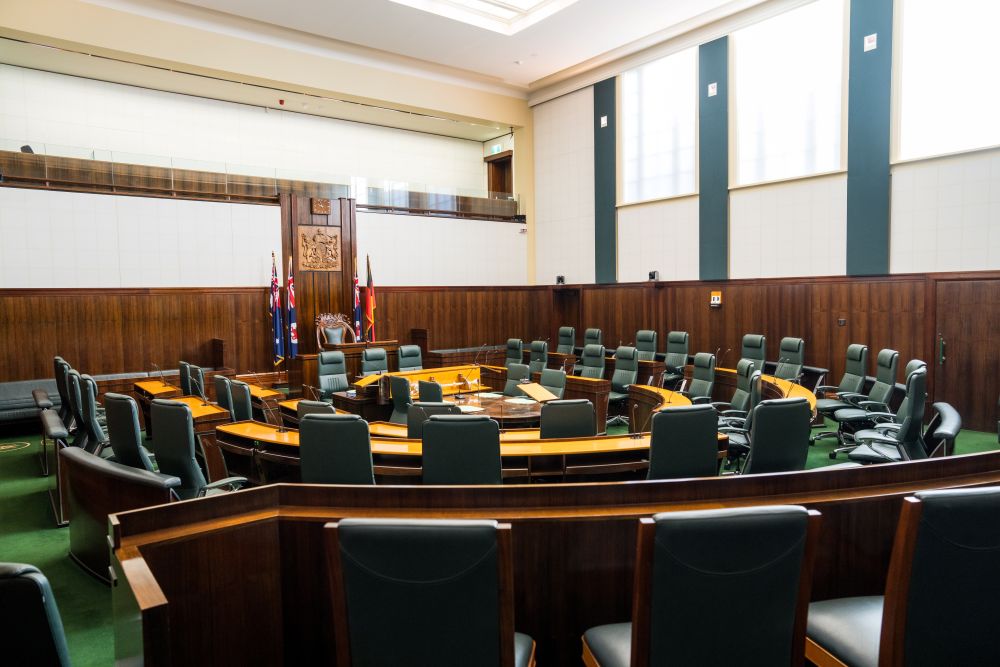
Typical sitting day for the House of Assembly
The House of Assembly (lower house) meets at 10am. Bells ring to announce the start of the sitting day and call Members to the Chamber. The Sergeant-at-Arms leads the Speaker into the Chamber and the day begins with an acknowledgement of traditional people and the reading of prayers.
Business is conducted according to Standing and Sessional Orders: rules for managing the work of the House.
Question Time is the first item of business and lasts around one hour. This allows Members to scrutinise Ministers on topics relating to their responsibility.
At the end of Question Time, Members can ask Ministers Constituency Questions, which are questions arising from the community. This provides a direct voice for local issues. Answers must be provided within thirty days and are published on the Parliament’s website.
Petitions are then presented by Members on behalf of communities, enabling them to request action from the House on matters of concern.
Papers, Answers to Questions on Notice, and Government Responses to Petitions are tabled and become public documents, published on Parliament’s website.
Messages from the Legislative Council (upper house) may include the introduction of Bills or notification of motions for the House of Assembly to consider. Messages may also be received from the Governor, particularly reporting Bills that have received Royal Assent, the last step in the law-making process.
Ministers, then all Members, have the opportunity to introduce Bills. A vote, known as the first reading, is held after the Clerk (most senior officer of the House) reads the long title of the Bill. This vote signifies that the House wishes to consider the Bill, but no debate occurs. At this point the Bill becomes a public document and is made available online.
Any Other Formal Business is then raised. This could relate to a variety of administrative matters such as changing the membership or reporting dates of Parliamentary Committees, setting sitting dates, or suspending the Standing Orders to enable special statements to be made.
Next, the House debates a Matter of Public Importance. This is a thirty-five minute debate on a subject chosen by a party or independent Member on a rotation basis.
Government Business has precedence for the rest of the day, unless otherwise agreed by the House. Bills and motions drawn from the Notices of Motion and Orders of the Day are selected by the Government for debate. An indicative list of business likely to be brought on – known as ‘the blue’ – is provided shortly before sitting, but the Government is not bound to this list.
Private Members Business, by agreement, has precedence each Wednesday afternoon, offering an opportunity for opposition and crossbench parties, government backbenchers, and independents to bring forward Bills and motions for the consideration of the House. A rotation is agreed to at the start of each Parliament and outlined in the Sessional Orders.
Adjournment marks the end of a day’s sitting. The adjournment is automatically moved at a set time according to the Standing Orders, unless the House has agreed to sit later. When the adjournment is called, a debate then takes place and Members can contribute a short statement upon a matter of interest to them.
Once it has been agreed to adjourn, the Speaker is escorted from the Chamber, and the ringing of the bells announces the end of the House’s sitting day.
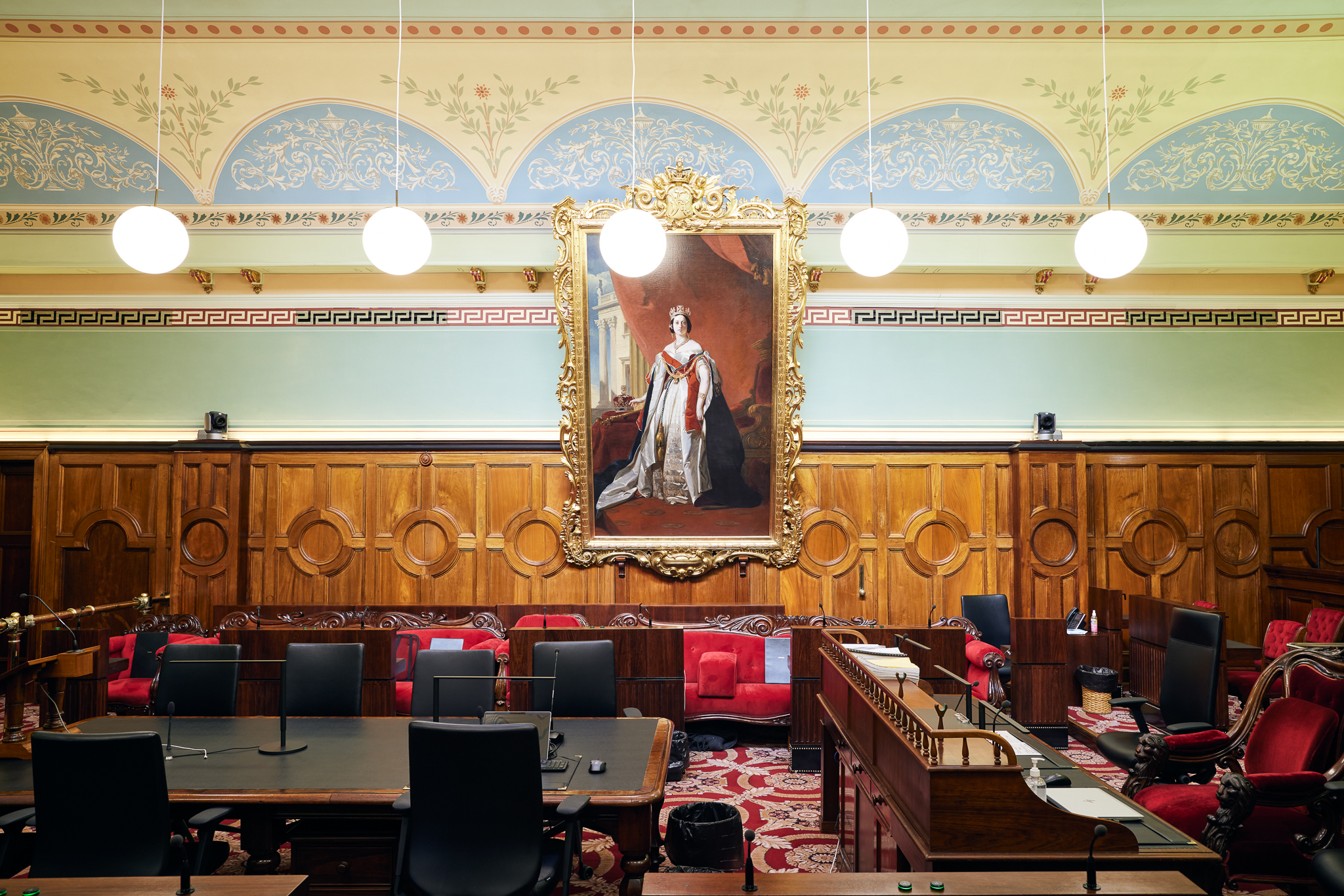
Typical sitting day for the Legislative Council
The Legislative Council (upper house) meets at 11am. Bells ring to announce the start of the sitting day and call Members to the Chamber. The Usher of the Black Rod leads the President into the Chamber and the day begins with an acknowledgement of traditional people and the reading of prayers.
Business is conducted according to Standing and Sessional Orders: rules for managing the work of the House.
Petitions are the first item of business. Petitions allow constituents to make direct requests for action to the Parliament.
Members can then give Notice of Questions or Notice of Motions. These are placed on the Notice Paper for consideration later.
The Leader for the Government presents Answers to Questions from the Notice Paper. At 2:30pm each sitting day, Members can ask Questions Without Notice.
Next, papers are ‘tabled’, meaning that they are presented as public records. Tabled Papers include reports and regulations.
Messages from Government House are read, informing the Legislative Council of any Bills that have received Royal Assent, the last step in the law-making process.
Messages from the House of Assembly may include the introduction of Bills or notification of motions for the Legislative Council to consider. Bills must be presented at least three days before debate begins.
Government Business takes precedence on Wednesdays and Thursdays, according to the Orders of the Day, which lists the matters the Council must deal with. The order of procedure is determined by the Leader for the Government and may vary from the printed list according to urgency, the availability of advisers to assist Members, or other issues.
On Tuesdays, Members can speak briefly on Special Interest Matters.
At the end of each sitting day the Leader or their representative moves 'That the Council do now adjourn', which brings the major part of the day's business to an end.
The President is then escorted from the Chamber, and the ringing of the bells announces the end of the Council's sitting day.