Timeline

Legislative Council of Tasmania: Bicentenary 2026

Selected firsts and facts about the Legislative Council of Tasmania (Upper House).

Aboriginal and Torres Strait Islander people are advised that this timeline may contain images or names of people who have died.

Cultural statement

This timeline traces the history of the Legislative Council of Tasmania from its establishment in 1826, when the island was known as Van Diemen’s Land, to its place in the current-day Parliament of Tasmania. The Legislative Council meets in Nipaluna/Hobart, on the unceded lands of the Muwinina people.

The Legislative Council originated as a colonial governing body during a time of invasion, dispossession, and violence against Aboriginal peoples, resulting in profound disruption to Aboriginal law, governance, and society. While the Council has evolved—from an appointed body to an elected House—these colonial foundations are acknowledged.

The Parliament of Tasmania recognises the enduring presence and resilience of Tasmanian Aboriginal people and affirms that understanding the Council’s past is inseparable from the impacts of colonisation. Engaging with this history supports ongoing efforts toward truth-telling, accountability, and reconciliation in Lutruwita/Tasmania.

Pre-colonisation

Photo of Tasmanian landscape showing green and brown grasses and plants
Spotlight

Aboriginal Communities, Pre-colonisation

Aboriginal people lived in the area around what is now Nipaluna/Hobart. They called it Nibberloone or Linghe. ...

Read more

It is part of Muwinina (Mouheneenner) Country, extending along the south-east coast to north of Hobart along timtumili minanya (the Derwent River).

The Muwinina were one of several clans living in the south-east when Europeans first arrived.

Tasmanian landscape. Credit: Pen_Ash Photography via Pixabay

1803
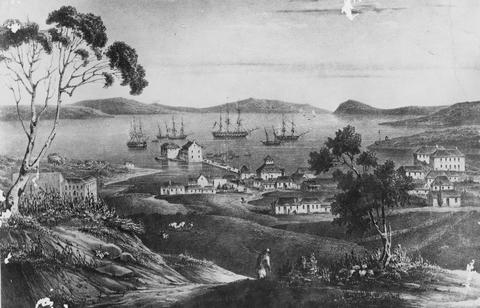
Photograph of a sketch of Old Hobart town by Alan Carswell, 1823. Source: University of Tasmania

Colony of Van Diemen's Land, 1803

Under British colonisation the island becomes known as Van Diemen’s Land, and is governed by the Colony of New South Wales.

Photograph of a sketch of Old Hobart town by Alan Carswell, 1823. Source: University of Tasmania

10 May 1824
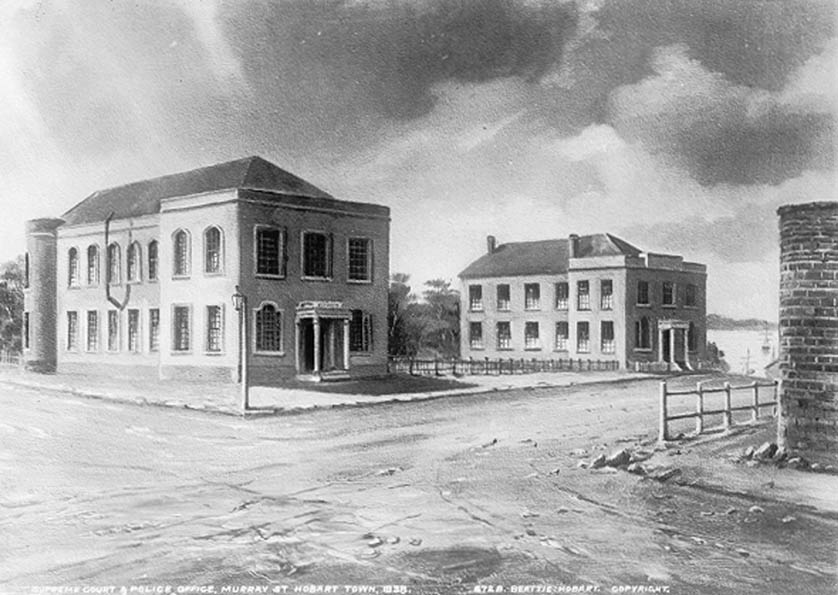
Supreme Court and Police Office buildings in Murray Street, Hobart, sketched in 1838. Source: State Library and Archives of Tasmania via Museum of Australian Democracy

First sitting of the Supreme Court, 10 May 1824

The Supreme Court of Van Diemen's Land, one of the three branches of government, meets for the first time.

Learn more

Supreme Court and Police Office buildings in Murray Street, Hobart, sketched in 1838. Source: State Library and Archives of Tasmania via Museum of Australian Democracy

3 Dec 1825

Newspaper clipping of proclamation by Governor Arthur

Van Diemen's Land separates from New South Wales, 3 Dec 1825

Van Diemen’s Land officially separates from New South Wales, following approval by the British Parliament in 1823. ...

Read more

This means that the colony can have its own government for the first time, including a Legislative Council and an Executive Council.

Proclamation by Governor George Arthur, 12 December 1825. Source: National Library of Australia

3 Dec 1825

Painting of Old Government House by Samuel Prout Hill  [Hobart] [ca. 1850] Source: State Library and Archives of Tasmania

First meeting of the Executive Council, 3 Dec 1825

The Executive Council, which advises the Lieutenant-Governor, meets for the first time at Old Government House. ...

Read more

The Lieutenant-Governor represents the Monarch in the colony.

Learn more

Painting of Old Government House by Samuel Prout Hill [Hobart] [ca. 1850] Source: State Library and Archives of Tasmania

12 Apr 1826

Graphic showing Members of the Legislative Council of Van Diemen's Land 1825-1846 with names and images

First meeting of the Legislative Council, 12 Apr 1826

The Legislative Council meets for the very first time. ...

Read more

The Council is made up of the Lieutenant-Governor plus five others.

The law allows for between five and seven Members in total.

Members are also known as 'MLCs' (short for 'Members of the Legislative Council').

The first six MLCs were:

Sir George Arthur

Sir John Lewes Pedder

William Henry Hamilton

Adolarius William Henry Humphrey

Edward Curr

Edward Abbott

First MLCs

21 Jun 1826

First formal sitting, 21 Jun 1826

The Legislative Council holds its first formal sitting.

Minutes of the Legislative Council, 21 June 1826

1829
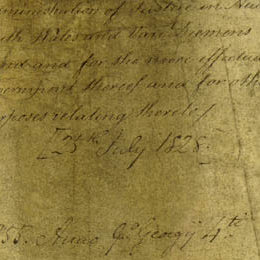
The Australian Courts Act 1828 ('Huskisson Act') , which enlarged the Legislative Council. Source: House of Lords Record Office via Museum of Australian Democracy

Legislative Council grows in size, 1829

The Legislative Council doubles in size to 14 Members. ...

Read more

This makes a total of 15 Members including the Lieutenant-Governor.

At first, Government officials and the Chief Justice make up the majority of the Council.

Soon, wealthy free settlers are also appointed.

The Australian Courts Act 1828 ('Huskisson Act') , which enlarged the Legislative Council. Source: House of Lords Record Office via Museum of Australian Democracy

1837

Plan-Government House, Macquarie Street Hobart, showing new additions proposed. Source: State Library and Archives of Tasmania

First Legislative Council Chamber, 1837

The first dedicated Legislative Council Chamber (special meeting room) opens at Old Government House. ...

Read more

For the first time, the press and the public are allowed to watch. This is an innovation for the Australian colonies.

Plan-Government House, Macquarie Street Hobart, showing new additions proposed. Source: State Library and Archives of Tasmania

19 Jun 1841

Plan-Customs House, Hobart. Source: State Library and Archives of Tasmania

Move to Customs House, 19 Jun 1841

The Legislative Council moves into the 'Long Room' in Customs House (now known as Parliament House).

Plan-Customs House, Hobart. Source: State Library and Archives of Tasmania

31 Oct 1845

News article with the headline 'Mr Dry and the Patriotic Six!' from the Hobart Town Advertiser, 12 December 1845

Walk out of the 'Patriotic Six', 31 Oct 1845

Most of the 'non‑official' Members (MLCs who are not Government officials) walk out of the Chamber to protest a new tax meant to pay for the convict system. ...

Read more

They become local heroes, known as the 'Patriotic Six'.

The Lieutenant-Governor dismisses the six, but in 1947 the British Government orders that they be reinstated to the Council.

News article about the 'Patriotic Six', Hobart Town Advertiser, 12 December 1945. Source: National Library of Australia

1850-1852

Drawing of the Legislative Council of Van Diemen's Land (Tasmania) 1852

The first elected Members, 1850-1852

A new law (Australian Constitution Act 1850) grants limited democratic rights to citizens of Van Diemen's Land. ...

Read more

The Council grows to 24 Members, and 16 of them are elected for the first time by a restricted franchise. The other eight are nominated by the Lieutenant-Governor.

Electoral boundaries (also known as divisions) are drawn up during 1851 and elections are held for the 16 seats.

The new 'blended' Council meets for the first time on 1 January 1852.

Legislative Council meeting in the Long Room, 1852, sketched by Ludwig Becker

Dec 1852

First elected Speaker, Dec 1852

Sir Richard Dry is elected as the first Presiding Officer of the new 'blended' Council, and given the title of Speaker. ...

Read more

Sir Dry later becomes the first Tasmanian-born Premier on 24 November 1866.

Portrait of Sir Richard Dry, painted by Conway Hart

1853

Cropped sketch of Hobart Town chain gang, Charles Bruce [engraver], ca.1830-31

Convict transportation ends, 1853

Convict transportation ends, and two Committees are appointed to begin drafting a new constitution for the colony.

Hobart Town chain gang. Source: State Library and Archives of Tasmania

24 Oct 1855
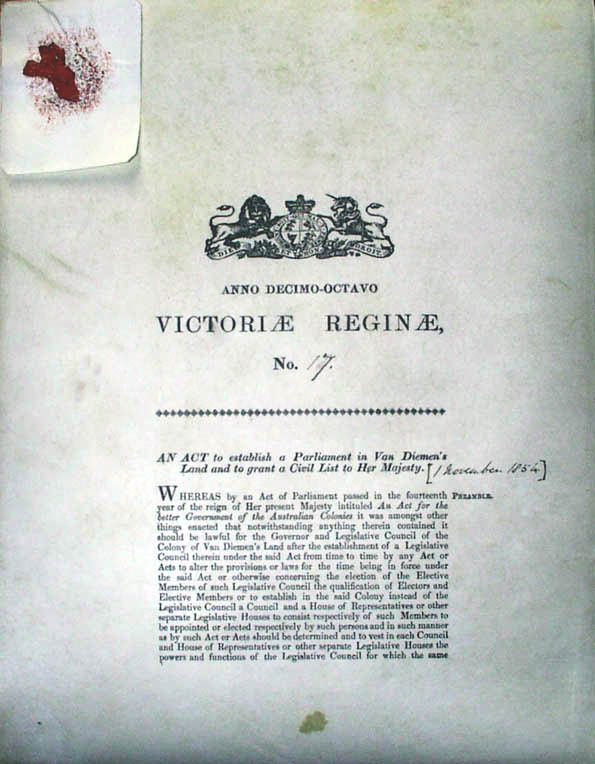
Constitution Act 1855. Source: Supreme Court of Tasmania via Museum of Australian Democracy

Constitution Act 1855, 24 Oct 1855

The Constitution Act 1855 commences, paving the way for a new bicameral (two House) Parliament with a 15-Member Upper House.

Learn more

Constitution Act 1855. Source: Supreme Court of Tasmania via Museum of Australian Democracy

Jan 1856

Motion in the Legislative Council to request a change of name from Van Diemen's Land to Tasmania

Van Diemen's Land becomes Tasmania, Jan 1856

The name of the colony officially changes to Tasmania. ...

Read more

It was a Member of the Legislative Council, William Sharland, who successfully moved in 1854 for the Council to petition Queen Victoria for the name change.

Motion in the Legislative Council, 1854

7 Feb 1856
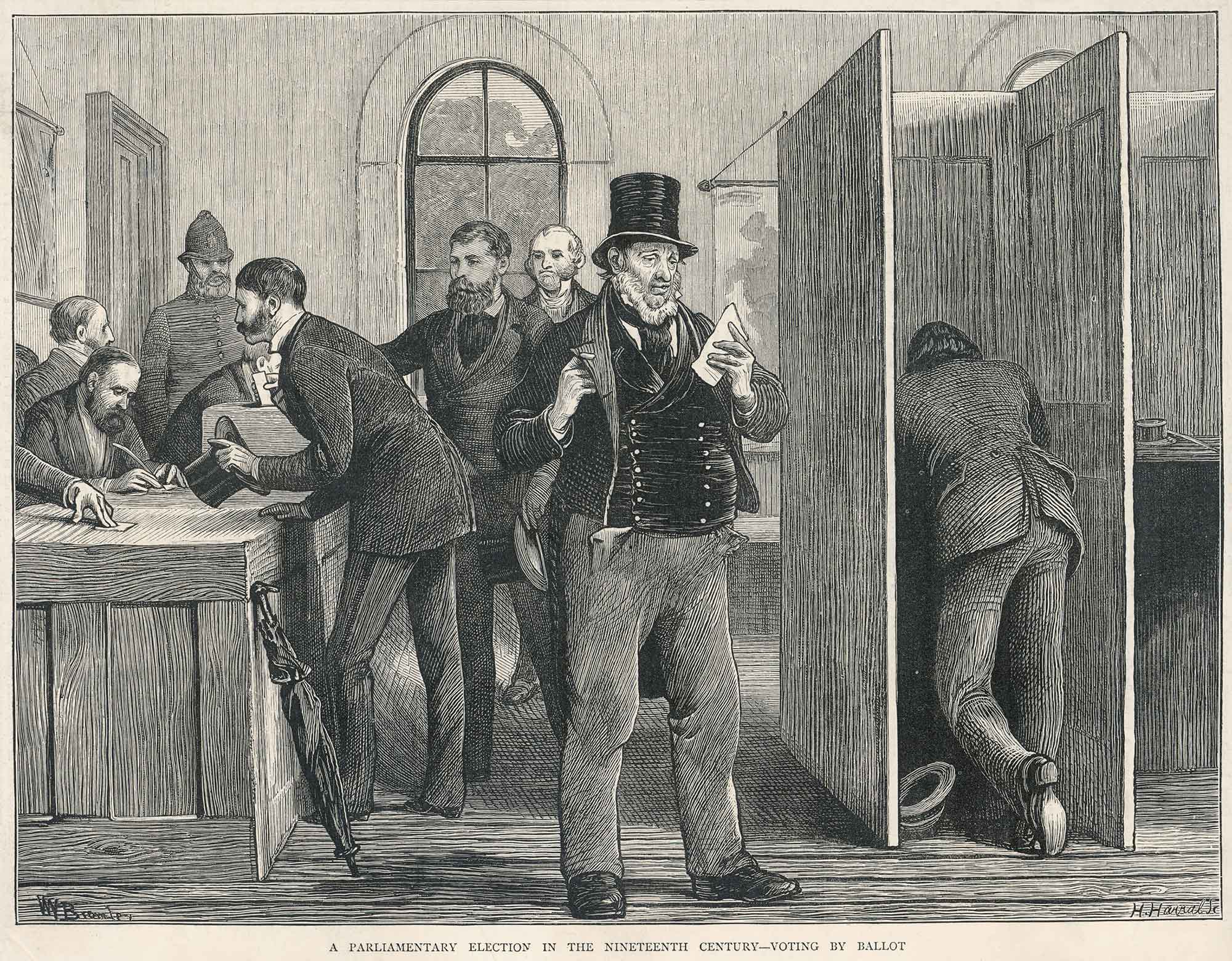
A Parliamentary Election in the Nineteenth Century, Voting by Ballot. Source: National Museum of Australia

Introduction of the secret ballot, 7 Feb 1856

The 'secret ballot' is introduced so people can vote in private - a major innovation for elections.

Learn more

A Parliamentary Election in the Nineteenth Century, Voting by Ballot. Source: National Museum of Australia

1856

An early 19th century floor plan of the Legislative Council chamber and adjoining rooms

A new Chamber, 1856

The Council moves into a new ornate Chamber, designed by architect William Porden Kay. ...

Read more

The same chamber is still used today.

Learn more

Early floorplan of the Legislative Council chamber. Source: State Library and Archives of Tasmania

2 Dec 1856

Painting of Parliament House 1856

A new two House Parliament, 2 Dec 1856

The new bicameral (two House) Parliament meets for the first time. ...

Read more

The Legislative Council meets in its new Chamber.

Thomas Horne becomes the first President of the Legislative Council (replacing the title of Speaker), and the first staff members are appointed:

Chester Eardley-Wilmot as the first Clerk and Major James Fraser as the first Usher of the Black Rod.

Parliament House, c. 1856

29 Oct 1858

Sketch of a Victorian-style speech bubble

Parliamentary Privilege Act 1858, 29 Oct 1858

The Parliamentary Privilege Act 1858 commences, which protects freedom of speech for Members. ...

Read more

'Parliamentary privilege' is the name given to the special rights and legal protections granted to the Parliament and its Members.

This ensures that Members can carry out their work without being sued.

It also grants powers for each House, and its Committees, to summon people and request evidence.

AI-generated image of a speech bubble. Source: Microsoft Copilot

1859

Newspaper clipping from May 1860 for election for the Legislative Council seat of Hobart

Six year fixed terms, 1859

Members begin serving six-year fixed terms. ...

Read more

Previously (from 1856 to 1859), MLCs were given nine year terms with one third of Members facing election every three years.

Fixed terms mean that unlike the House of Assembly (lower House), the Legislative Council cannot be dissolved. Instead, periodic elections are held each year.

Newspaper clipping from May 1860 for election for the Legislative Council seat of Hobart. Source: National Library of Australia

1864

Spotlight

Edward Abbott and Australia's first cookbook, 1864

Edward Abbott, one of the first MLCs, is celebrated for publishing Australia’s first cookbook: “The English and Australian Cookery Book: cookery for the many, as well as for the "upper ten thousand”.

Read more

It was in Tasmania that Abbott developed his enthusiasm for local ingredients.

Recipes included 'Roast Beef of Old England', 'kangaroo steamer' and 'slippery bob'- a dish of battered kangaroo brains fried in emu fat.

Learn more

The English and Australian Cookery Book, published 1864. Source: State Library and Archives of Tasmania

1870s - 2026

Spotlight

The Black Rod, 1870s - 2026

The 'Black Rod' is the symbol of the authority of the Legislative Council and its Presiding Officer, the President. ....

Read more

It is carried by the Usher of the Black Rod at the opening of Parliament.

The Tasmanian rod is the second oldest still in use anywhere in the British Commonwealth.

It is made of polished ebony with Royal Arms in gold. The Tasmanian Black Rod alone still carries Queen Victoria’s cypher.

In 1998 Wendy Peddle became the first woman to hold the post of Usher of the Black Rod.

The Black Rod

10 May 1904

William Dodery
Spotlight

Oldest President, 10 May 1904

William Dodery holds the record as the oldest President of the Legislative Council, elected at age 84. ...

Read more

Dodery was 87 years old when he retired on 7 May 1907.

William Dodery, former MLC c. 1861?

1914-1918

Black and white photo of WW1 inspection of troops outside The Mercury newspaper building, Hobart
Spotlight

MLCs in World War One, 1914-1918

During World War I, many future Members of the Legislative Council served in the armed forces: ...

Read more

BAKER, Henry Seymour

MLC Queenborough May 1948-July 1968 (Independent)

BLACKLOW, Archibald Clifford

MLC Pembroke Oct 1936-May 1953 (Independent)

CONNOLLY, James Bell

MLC Buckingham Oct 1948-May 1968 (Australian Labor Party)

DUNBABIN, William

MLC Pembroke May 1953-May 1959 (Independent)

EVANS, Alexander Arthur

MLC Launceston May 1936-May 1942 (Independent)

FENTON, Arthur Benjamin

MLC Russell May 1933-May 1957 (Independent)

GROUNDS, Arthur Edwin Ernest

MLC Launceston May 1950-July 1951 (Australian Labor Party)

MURDOCH, John

MLC Pembroke Dec 1935-Aug 1936 (Independent)

SHOOBRIDGE, Rupert Oakley

MLC Derwent May 1937-May 1955 (Independent)

WARDLAW, Alan Lindsay

MLC South Esk May 1920-Dec 1938 (Independent)

WW1 troops in Hobart. Source: State Library and Archives of Tasmania

October 1920
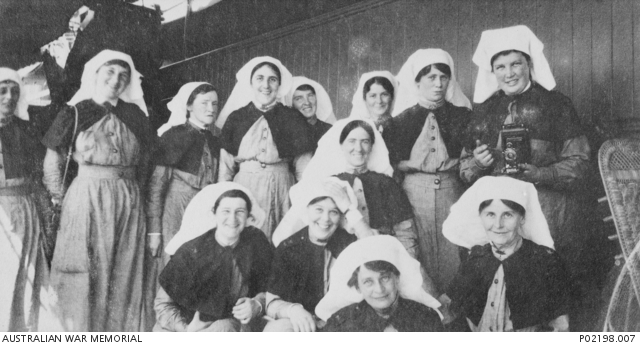
Informal group portrait of Tasmanian members of the Australian Army Nursing Service. Source: Australian War Memorial via Tasmanian Government

Limited voting rights for women, October 1920

Women who served as war nurses are given the right to vote in Council elections. ...

Read more

Although women had become eligible to vote in House of Assembly (lower House) elections in 1903, the more conservative Legislative Council continued to limit franchise (voting rights) to property owners.

Informal group portrait of Tasmanian members of the Australian Army Nursing Service. Source: Australian War Memorial via Tasmanian Government

1924-1926

Clip from 1926 Parliamentary committee report on Legislative Council powers re money Bills

Constitutional crisis #1, 1924-1926

In 1924, Premier Joseph Lyons faces a crisis when the Council refuses to pass his Budget. ...

Read more

The Administrator, Sir Herbert Nicholls, takes the 'most irregular' action of approving the Budget Bill without the Council passing it.

This leads to a Joint Select Committee being set up to review the Council's powers for money Bills.

New rules become law in 1926.

1926 Joint Committee report

9 July 1907 - 27 July 1926

Tetley Gant
Spotlight

Longest serving President, 9 July 1907 - 27 July 1926

Tetley Gant is the longest serving President of the Legislative Council, spending 19 years in the Chair (1907 to 1926). ...

Read more

Gant was a Member of the Legislative Council from 7 May 1901 to 1 August 1927.

Tetley Gant, former MLC

30 May 1928

News article with the headline 'Compulsory voting: Provision for state elections' from The Mercury Friday 21 December 1928

Compulsory voting, 30 May 1928

Compulsory voting is introduced for State elections. ...

Read more

However, franchise (voting rights) is still limited in Legislative Council elections.

News article from The Mercury, Friday 21 December 1928. Source: National Library of Australia

1939-1945

Black and white photo of WW2 troops marching in a Launceston street
Spotlight

MLCs in World War Two, 1939-1945

The following MLCs served in the armed forces during World War II: ...

Read more

BLACKLOW, Archibald Clifford

MLC Pembroke Oct 1936-May 1953 (Independent)

BROADBY, Albert James

MLC Gordon June 1968-May 1988 (Independent)

BROWN, Ronald Herbert (Ron)

MLC Huon May 1948-May 1966 (Independent)

CARINS, Lloyd Horton

MLC South Esk May 1962-May 1980 (Independent)

COATES, Jeffrey Allan (Jeff)

MLC Meander May 1971-May 1981 (Independent), Tamar May 1981-May 1989 (Independent)

DAVIS, Walter John Torley (Bill)

MLC West Devon May 1953-Oct 1971 (Independent)

DIXON, Joseph Henry (Joe)

MLC Derwent May 1955-May 1961 (Independent), May 1967-May 1979 (Independent)

DUNBABIN, William

MLC Pembroke May 1953-May 1959 (Independent)

EVANS, Alexander Arthur

MLC Launceston May 1936-May 1942 (Independent)

FOOT, Geoffrey James (Geoff)

MLC Cornwall Dec 1961-May 1972 (Independent)

FRY, William Hector Maxwell (Max)

MLC Launceston May 1958-Dec 1965 (Independent)

GREEN, Geoffrey Hewett

MLC Cambridge Feb 1946-June 1946 (Independent), Monmouth July 1946-April 1959 (Independent)

GREEN, Richard Kenneth

MLC Launceston May 1946-March 1950 (Independent)

HITCHCOCK, Daniel (Dan)

MLC Tamar July 1960-May 1979 (Independent)

HODGMAN, William Clark (Bill)

MLC Queenborough May 1971-May 1983 (Independent)

KING, Frank Bernard

MLC Cornwall May 1972-May 1978 (Independent)

LE FEVRE, Vernon Mackenzie (Mac)

MLC Cornwall May 1978-1984 (Independent)

LOWRIE, Kenneth Francis (Ken)

MLC Buckingham May 1968-May 1986 (Independent)

McFIE, Hector

MLC Mersey Sept 1954-May 1972 (Independent)

McKAY, Eric Charles (Ben)

MLC Pembroke May 1959-July 1976 (Independent)

SHIPP, Raymond William (Ray)

MLC Launceston Dec 1968-May 1982 (Independent)

SHOOBRIDGE, Louis Manton(1920-2005)

MLC Queenborough Sept 1968-May 1971 (Independent)

WW2 troops in Launceston. Source: State Library and Archives of Tasmania

1941

Snippet from the Constitution Act 1941, Tasmania

More voting rights, 1941

The voting franchise is extended to all 'servicemen and women in any war', and the voting age reduces from 30 to 21.

Read more

Constitution Act 1941 (Tas.)

1943

Mrs Edith Waterworth. Source: The Dawn Newspaper, 17 April 1929 via Wikimedia

First woman runs for election, 1943

Edith Waterworth is the first woman to run for election to the Council. ...

Read more

Women eligible as electors were granted the right to stand for state elections in 1921.

Mrs Waterworth had previously stood unsuccessfully for the lower House.

Mrs Edith Waterworth. Source: The Dawn Newspaper, 17 April 1929 via Wikimedia

Jul 1946

Snippet from the Constitution Act 1946, Tasmania

Lower age limit to run for election, Jul 1946

The age of eligibility to run for Legislative Council elections reduces from 30 to 25.

Learn more

Constitution Act 1946 (Tas.)

May 1948

Article from the Advocate newspaper Friday 9 July 1948, page 5 with headline 'Council votes 13-3 in favor of limiting supply despite warning'

Constitutional crisis #2, May 1948

The Council forces the Government to an election by refusing to grant supply (pass the Budget).

The Advocate, Friday 9 July 1948. Source: National Library of Australia

1856-2026

Spotlight

A powerful House, 1856-2026

A defining feature of the Tasmanian Legislative Council is that unlike the Lower House, it cannot be dissolved. ...

Read more

The Council has the power to ‘block supply’ (refuse to pass budget and money Bills), which would stop the government from getting the funds it needs to operate.

If this happens, it is likely that the Governor would call an election – dissolving the House of Assembly (Lower House) so new members can be chosen.

Learn more

The President's Chair, Legislative Council

8 May 1948

   Margaret Edgeworth McIntyre

First woman elected, 8 May 1948

Margaret McIntyre OBE becomes the first woman to be elected to the Legislative Council. ....

Read more

Ms McIntyre is also the shortest-serving Member, dying in a plane crash in September 1948.

Margaret McIntyre, former MLC

22 Feb 1954

Royal visit 1954 - outside Parliament House [Queen's arrival] Source: State Library and Archives of Tasmania

Royal visit, 22 Feb 1954

Queen Elizabeth II opens the fifth session of the 30th Tasmanian Parliament. ...

Read more

This is the first time a reigning monarch has visited Tasmania.

Royal visit 1954 - outside Parliament House [Queen's arrival] Source: State Library and Archives of Tasmania

21 Dec 1954

Clip from The Mercury newspaper, December 1954 with headline 'Council gives spouses right to vote'

Slow progress towards full voting rights for women, 21 Dec 1954

The spouses of electors are given the right to vote in Legislative Council elections.

The Mercury, 2 December 1954

1968-1969

Phyllis Jean Benjamin

First Australian woman to lead the Government in an upper house, YYYY

The Hon Phyllis Benjamin MLC becomes the first woman in Australia to lead a government in an Upper House. ...

Read more

The Leader of the Government in the Legislative Council is an elected Member who is appointed by the Premier to represent the Government.

The Leader is responsible for the passage of Government legislation through the Upper House.

Hon Phyllis Benjamin. former MLC

Jul 1969

Photograph of a Ballot Box - Commonwealth of Australia, circa 1900s-1930s

Full adult franchise, Jul 1969

Full adult franchise finally comes into effect: all adult citizens (aged 21 years and older) are granted the right to vote in Legislative Council elections. ...

Read more

The voting age is lowered to 18 in 1973.

Australian ballot box c. 1900s-1930s. Source: Museums Victoria

10 Jul 1970

1970s television

TV crew in the chamber, 10 Jul 1970

TV cameras are allowed in the Legislative Council chamber for the first time. ...

Read more

The Mercury reports that it was a ‘polished television performance by Tasmania's MLCs — some of them making their TV debut' (The Mercury, 10 July 1970).

The telecast is believed to be the first ever of workings inside a parliament in the British Commonwealth.

1970s TV set. Source: Stockvault

1973

1970s style poster saying

18 year olds can stand for election, 1973

The age to stand for Legislative Council elections is lowered from 21 to 18.

AI-generated image of a "Vote 1" poster. Source: Microsoft Copilot

5 Jun 1979

Excerpt from the Hansard of 5 June 1979 showing the start of the day

Official Hansard introduced, 5 Jun 1979

The first substantially verbatim record of debates for the Legislative Council ('Hansard') begins. ...

Read more

Previously, from 1920 to 1978, Tasmanian parliamentary debates were summarised in the The World and The Mercury newspapers.

Hansard for the Legislative Council, 5 June 1979

23 May 1995

1996 map of Tasmania showing the Legislative Council electoral boundaries

"One vote one value", 23 May 1995

The Legislative Council Electoral Boundaries Act 1995 commences. ...

Read more

A Redistribution Tribunal is established to redraw 19 divisions (also known as electoral boundaries or 'seats') using a 'one vote, one value' rule.

Before this time, the Parliament set the divisions for the Council.

Learn more

Map showing 1996 Legislative Council electoral boundaries. Credit: Base image by TASMAP (www.tasmap.tas.gov.au) © State of Tasmania.

2 Oct 1995

First Tasmanian-born Governor, 2 Oct 1995

The Hon Sir Guy Green is appointed as the first Tasmanian-born Governor.

Hon Sir Guy Green AC KBE CVO. Credit: Government House Tasmania

December 1995

Tasmanian landscape with wallaby

Aboriginal Lands Act 1995, MMMM YYYY

After years of campaigning for land returns and several defeated Bills, the Aboriginal Lands Bill 1995 passes. ...

Read more

The Bill passes unchanged with full support from both Houses of the Tasmanian Parliament.

The Bill is ‘one of the most historical and culturally significant pieces of legislation to be introduced into the Tasmanian Parliament’ (Fact sheet: Aboriginal Lands Bill 1995).

The titles to 12 parcels of land are handed back to Aboriginal elders by the Premier in December 1995.

Tasmanian landscape. Credit: Pen_Ash Photography via Pixabay

29 Aug 1998

Legislative Council - June 1999

Reduction to 15 Members, 29 Aug 1998

After years of extensive debate, the Legislative Council reduces from 19 to 15 Members. ...

Read more

Because the Council has one Member per electoral division, this also means a decrease in divisions.

Learn more

Legislative Council Official Chamber Photograph, 1999

1826-2026

Wooden door leading into the Legislative Council chamber, Hobart, with the word 'Members' in gold
Spotlight

How many Members?, 1826-2026

The size of the Legislative Council has changed several times over its history. ...

Read more

1825: 5-7 Members - Governor and up to six nominee Members

1829: 15 Members - Governor, six 'official' Members (Government officials) and eight 'unofficial' Members (MLCs who are not Government officials)

1851: 24 Members - including two-thirds elected for the first time

1856: 15 Members - all elected

1871: 16 elected Members

1886: 18 elected Members

1898: 19 elected Members

1900: 18 elected Members

1940s: 19 elected Members

1998: 15 elected Members.

Today's Legislative Council has single-Member seats.

Door to the Legislative Council chamber

5 May 2001

Allison Maree Ritchie

Youngest person elected, 5 May 2001

The Hon Allison Ritchie MLC is elected at age 26, the youngest person ever in the Council.

Allison Ritchie, former MLC

20 Jun 2001

Andrew Paul (Paul) Harriss

Aboriginal MLCs, 20 Jun 2001

The Hon Paul Harriss MLC is the first Member of the Legislative Council to publicly state to be 'a person of Aboriginal descent'. ...

Read more

Paul Harriss' son Dean later sits in the Legislative Council from 2022-2026.

Over the Parliament of Tasmania's history, there have been a number of unsuccessful calls for reserved Aboriginal seats in Parliament to address the lack of representation for Tasmania's First People.

Paul Harriss, former MLC

17 Oct 2006

Regional Parliament - Launceston - Albert Hall 2006

First sitting outside of Hobart, 17 Oct 2006

To mark the sesquicentenary (150 years) of the bicameral Parliament, the two Houses meet in Launceston.

Legislative Council sitting in Albert Hall, Launceston, 2006

10 Jun 2008

Susan Lynette Smith

First woman elected President, 10 Jun 2008

The Hon Sue Smith MLC is elected as the first woman President of the Legislative Council.

Hon Sue Smith, former MLC

11 Mar 2009

Screenshot taken from an early Council webcast showing Members in the Chamber

Live webcasts commence, 11 Mar 2009

Regular live webcasts of parliamentary proceedings begin.

Legislative Council, 31 August 2010

24 Mar 2009

Legislative Council Ministers attend Question Time, 24 Mar 2009

After agreement by both Houses, Ministers from the Legislative Council attend Question Time in the House of Assembly for the first time. ...

Read more

This novel arrangement is put in place as a way of making the Legislative Council Ministers more accountable for their actions.

Learn more

House of Assembly chamber

1800s-now

Close up photo of a Committee Room table and chairs in Parliament House, Hobart, taken 2022
Spotlight

Parliamentary committees, 1800s-now

Parliamentary committees investigate issues about government policy, how government agencies operate, and how well they are performing. ...

Read more

They can ask experts, interested groups, and government officials to speak at hearings and answer questions.

These hearings also give members of the public and community groups a chance to share their views on how proposed laws or policies might affect them.

In the early colonial years, committees of the Council mainly examined and reported on draft Bills (proposed laws).

In later years, the Council appointed Members to form committees to investigate specific matters and report their findings.

In 2011, the Legislative Council expanded the range of committees with the establishment of two sessional committees known as Government Administration Committees A and B.

Learn more

Committee Room, Parliament House

4 May 2019

First majority for women, 4 May 2019

Women make up the majority (60%) of Members in the Legislative Council for the first time.

Legislative Council Official Chamber Photograph, 2020

21 May 2019

First President from a registered political party, 21 May 2019

The Hon Craig Farrell MLC (Australian Labor Party) is elected as the first President from a registered political party.

Hon Craig Farrell MLC

Aug 2020

Coloured blocks showing affiliation of MLCs after the 2020 election, Tasmania

First majority of party Members, Aug 2020

The Labor and Liberal parties hold the majority of seats for the first time (a combined 8 of 15 seats). ...

Read more

Over its history, the upper House has largely been made up of independent Members.

Learn more

Tasmanian Legislative Council - Composition, August 2020. Credit: TheTimMan, CC BY-SA 4.0, via Wikimedia Commons

20 Jul 2023

Catherine Louise Vickers

First woman Clerk, 20 Jul 2023

Catherine Vickers is appointed as the first woman to serve as Clerk (most senior officer) of the Legislative Council. ...

Read more

The Clerk is the Permanent Head and Chief Executive of the staff of the Legislative Council.

The first woman to serve as Deputy Clerk was Sue McLeod from 2014-2017.

Learn more

Catherine Vickers, Clerk of the Legislative Council

Jul 2025

Australian notes and coins

Spending limits for candidates, Jul 2025

A spending limit is imposed for candidates in Legislative Council elections. ...

Read more

The initial limit is $19,500. This will increase by $500 each year.

Learn more

Australian currency. Credit: Squirrel_photos via Pixabay

2026

Photo of Parliament House exterior showing sandstone facade and flags flying, Hobart, 2022

Legislative Council Bicentenary, 2026

The Legislative Council marks its Bicentenary in 2026. ...

Read more

On 18 May 2026, the Governor hosts a reception to mark the Bicentenary and delivers a speech.

Parliament House, Hobart