
The Clerks are Parliamentary Officers, not Members of Parliament. They are experts on parliamentary procedures. Each House of the Parliament has its own Clerk, who knows the rules and traditions of that House.
Clerk of the Council
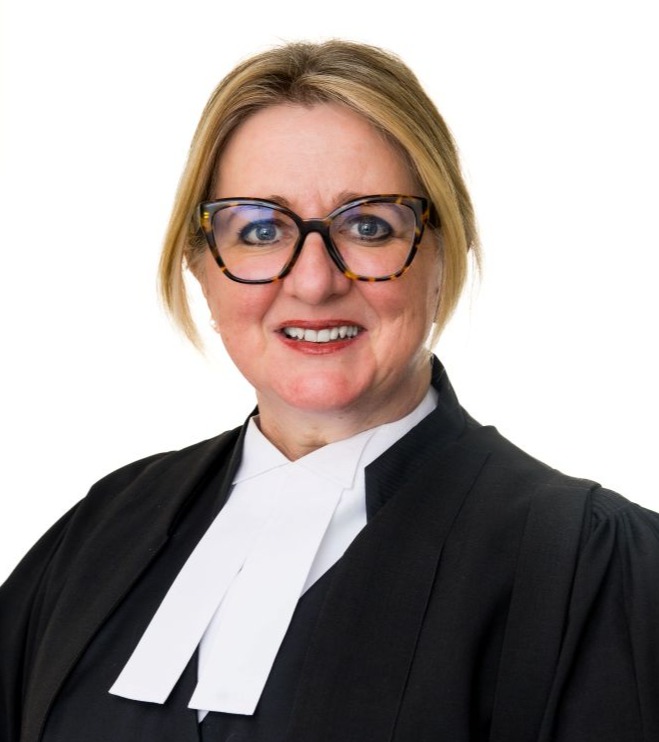
Clerk of the Council, Catherine Vickers
The Clerk of the Council is most senior officer of the Legislative Council. The Clerk advises the President and all other Members of the Legislative Council on procedural matters and keeps records of business dealt with in the Council. The Clerk is required to certify the passing of Bills and ensure they are correct when delivering them between the Houses and to the Governor.
The Clerk sits in the Chamber directly in front of the President to make sure that all procedures are followed correctly and to provide immediate advice if required. When sitting in the Chamber, the Clerk wears a black robe, which shows that they are apolitical. "Apolitical" means they do not express a political opinion.
The Clerk must maintain strict impartiality in their work, meaning they do not favour any Member over another and treat all equally. There is a tradition that Clerks do not show any emotional reaction to happenings in the Chamber, as an expression could be perceived as favouring one political party or Member over another.
The Clerk of the Council is also the senior manager of the Legislative Council and is responsible for the Legislative Council as a workplace for parliamentary staff.
The work of the Clerk is complex and the Clerk is assisted by the Deputy Clerk.
Clerk of the House

Clerk of the House, Laura Ross
The Clerk of the House is most senior officer of the House of Assembly. The Clerk advises the Speaker and all other Members of the House of Assembly on procedural matters, and keeps records of business dealt with in the House. The Clerk is required to certify the passing of Bills and ensure they are correct when delivering them between the Houses and to the Governor.
The Clerk of the House sits in the Chamber directly in front of the Speaker to make sure that all procedures are followed correctly and to provide immediate advice if required. When sitting in the Chamber, the Clerk wears a black robe, which shows that they are apolitical. "Apolitical" means they do not express a political opinion.
The Clerk must maintain strict impartiality in their work, meaning they do not favour any Member over another and treat all equally. There is a tradition that Clerks do not show any emotional reaction to happenings in the Chamber, as an expression could be perceived as favouring one political party or Member over another.
The Clerk of the House is also the senior manager of the House of Assembly and is responsible for the House of Assembly as a workplace for parliamentary staff.
The work of the Clerk is complex and the Clerk is assisted by the Deputy Clerk.
Deputy Clerks
Each House has a Deputy Clerk, who supports their Clerk in making sure Parliament runs smoothly. They also provide expert advice to the Members and always act impartially (without favouring anyone) and apolicitally (without expressing a political opinion).
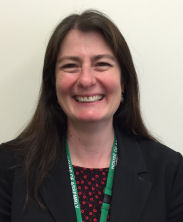
Deputy Clerk of the House,
Stephanie Hesford

Deputy Clerk of the Council,
Tim Mills